

RESEARCH OVERVIEW
Participating in Research
The Research Workgroup oversees research projects that use SV-ONE Registry data. Its responsibilities include reviewing research proposals submitted by network members, providing feedback on study design and data analyses, and making recommendations regarding proposal approval. Research opportunities will be shared with SV-ONE members as they become available.
If you have any questions, please contact research@svone.org.
Research Proposal Submission Update
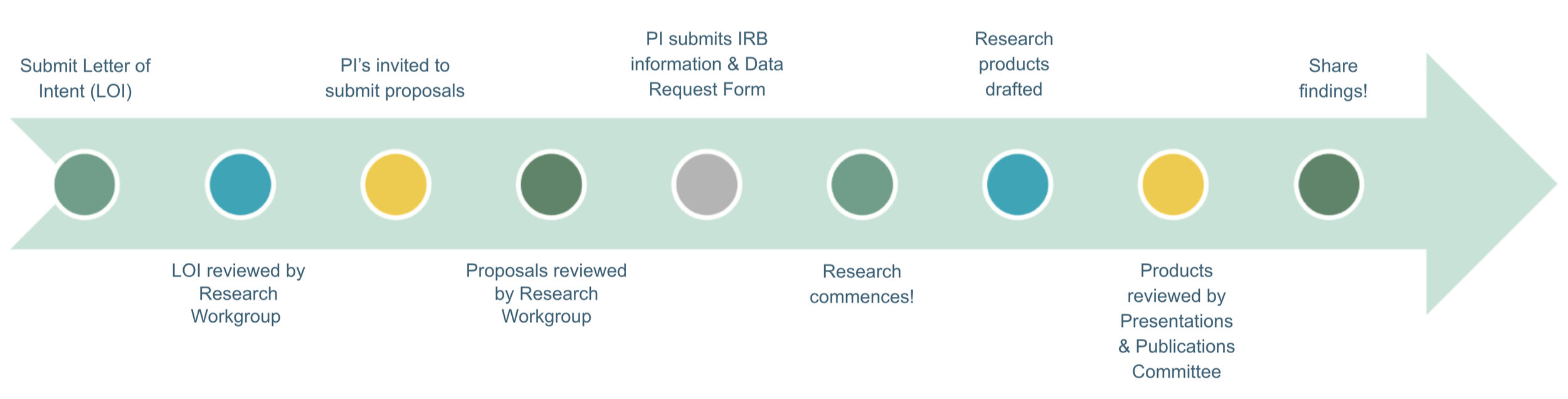
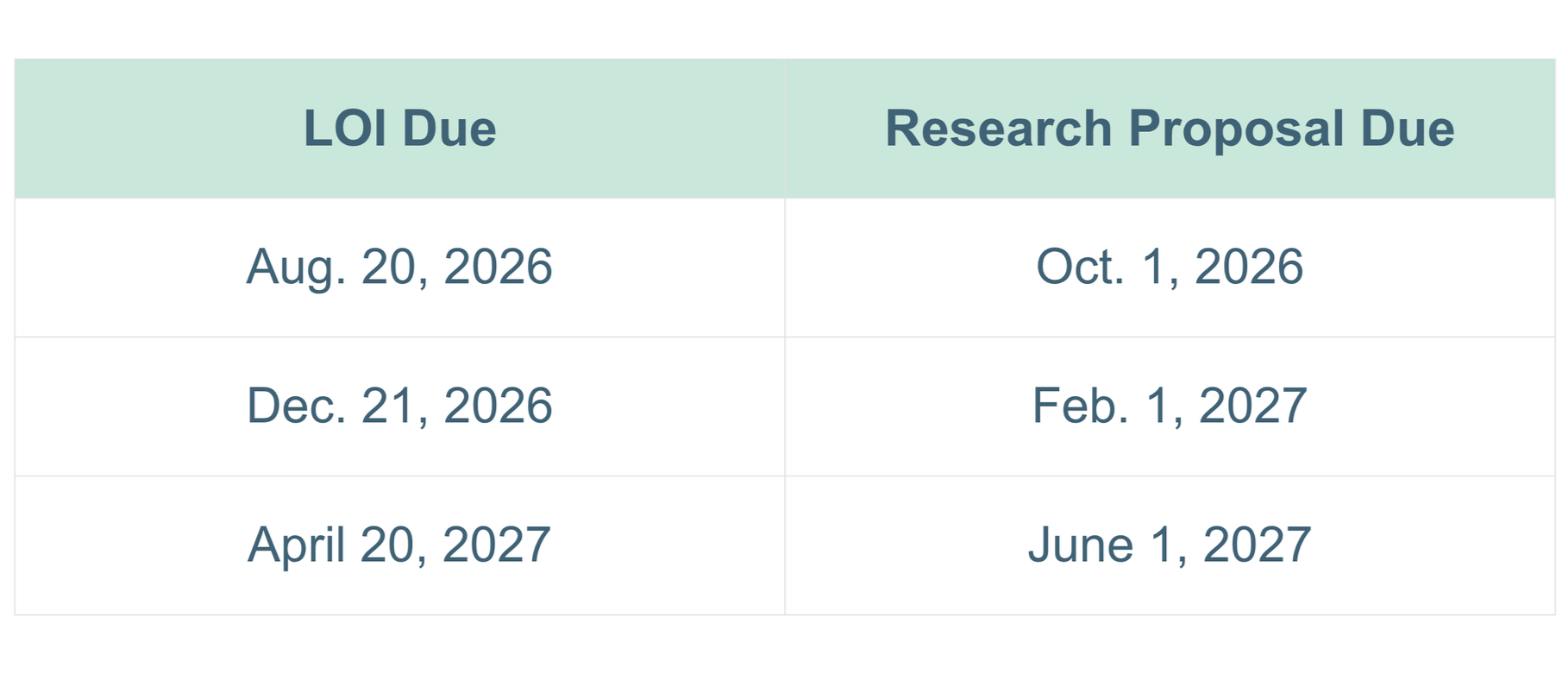
With the unification of FON and NPC-QIC into the SV-ONE Research Workgroup, there is a new research proposal submission timeline. Letters of Intent (LOI) are due about six weeks before each proposal deadline to gauge the project's feasibility and alignment. If a proposal is submitted after a given deadline, it will be reviewed in the following cycle. Additional resources, including the submission forms for LOIs and Research Proposals are linked below.
Research Proposal Submission Process
Upcoming Research Cycle Deadlines
Resources for Researchers
FON Legacy Data Collection Forms(display what data are being collected in the FON Legacy Registry)
Research Publications
Research Explained
Since October 2013, parents on the Research Workgroup have helped select research studies that are important and relevant to families. For each selected study, they create a "Research Explained" summary—an easy-to-understand version that explains the medical research in simple, clear language.
These summaries highlight what the research found and why it matters. For example, a February 2015 summary explained a study showing that children with HLHS may have developmental delays by age 3 compared to other children.
"Research Explained" is a great example of how families and the cardiology community work together to make medical information more accessible and meaningful.
Bulletin Board
Visit our Bulletin Board for details on participating in single ventricle-related projects, research, and other opportunities within our community.